Fabric Assessment and Product Matching for Small Upholstered Items

Small upholstered items such as headrests, dining chairs and poufs often accumulate contamination in ways that differ from larger furniture. Because fabric structures and finishes vary widely, cleaning approaches are considered on an individual basis. The service operates as an informational framework: each item is first assessed to identify its fabric type and condition, and suitable cleaning products are then selected accordingly. This process is carried out on-site and is available to both private clients and hospitality venues. Factors such as fabric composition, age and level of soiling are taken into account, and the selection remains dependent on the specific characteristics of each item.

How Fresh Headrests Approaches On-Site Textile Cleaning

Fresh Headrests is a company specialising in the on-site cleaning of textile headrests and chairs. The scope of work covers bed headrests, chairs and poufs throughout private homes as well as hotel establishments. Each visit begins with an assessment of the fabric in question, after which treatment methods and cleaning agents are selected to match the material. Rather than presenting outcomes as fixed or predictable, the service is organised as a structured process: inspection, adapted preparation, treatment and post-cleaning review. This approach allows private customers and hospitality teams to understand how each item will be handled, and to see the steps involved rather than relying on general promises.

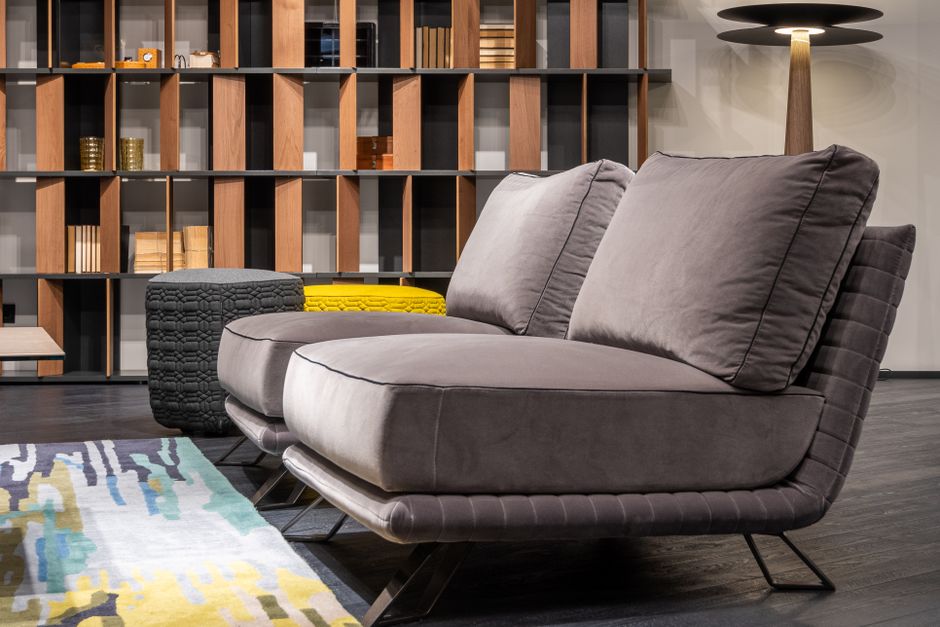
Interior design of modern living room furnished with comfortable settee with poufs against bookcase and shining lamp

How the Cleaning Process Is Structured

  • 01

    Initial Fabric Assessment

    A review of fabric type, texture, and condition is conducted before any treatment method is selected.

  • 02

    Selection of Cleaning Agents

    Suitable cleaning agents are chosen based on the assessed fabric characteristics and staining present.

  • 03

    On-Site Treatment

    The cleaning process is carried out at the customer's location using the selected agents and appropriate techniques.

  • 04

    Post-Treatment Review

    After treatment, the fabric is examined to determine whether further action is needed.

Client Feedback

Textile Composition, Contamination Sources, and Method Selection

Textile headrests and chairs in UK homes and hospitality settings include fabrics such as cotton, linen, polyester, wool blends, and microfibre, each with distinct fibre structures and dye stability. Common contamination sources range from body oils and hair products to food and beverage spills, airborne dust, and pet dander, and they vary by environment and use patterns. Because of this variability, method selection considers fabric type, weave density, colourfastness, and the nature of the contamination, following manufacturer care labels or fibre composition analysis when available. Extraction, foam, or dry approaches are among the options, and compatibility checks and patch tests are typically advised before full application, particularly on blends or multi-component covers. These factors support a structured selection process appropriate for such small upholstered items in the UK context.

What We Treat and How We Approach It

Fresh Headrests addresses textile headrests on beds, dining chairs, and poufs, among other small upholstered items. Services are organised for both residential and commercial environments, such as hotel rooms. Product selection is determined by fabric characteristics: different textiles respond differently to cleaning methods and agents. This contextual approach means the process is reviewed case by case, based on fibre type, construction, and condition. The objective is to outline a methodical framework for assessment and care, without assumptions about results. Factors including fabric sensitivity, pre-existing wear, and environmental conditions can influence outcomes, so expectations are discussed as part of the initial review.

Bright living room with stylish furniture and plants, offering a modern and cozy ambiance.

How the Process Unfolds

  • 01

    Fabric Assessment

    Each item is examined first, noting fibre type, weave, and condition before any treatment.

  • 02

    Product Selection

    Suitable cleaning agents are chosen based on the fabric assessment, with options varied by material.

  • 03

    Application Method

    Products are applied using methods adapted to the item's construction and fabric sensitivity.

  • 04

    Post-Treatment Review

    After cleaning, fabric response is checked; further steps may be advised depending on the item.

Frequently Asked Questions About On-Site Cleaning

  • 1What types of fabric can be cleaned on-site?
    Fabric suitability depends on material type and condition. Common upholstery fabrics are assessed beforehand, and cleaning methods are selected accordingly. Some delicate or fragile fabrics may not be compatible.
  • 2Where is the on-site service available in the UK?
    Service coverage is available at customer premises across the UK, subject to location and scheduling. Availability is confirmed during booking. Specific onward travel distances may affect appointment options.
  • 3What does the on-site cleaning process involve?
    The process begins with a fabric assessment to determine the appropriate cleaning agents and methods. Cleaning equipment is brought to the site and used directly on the upholstery with minimal disruption.
  • 4How long does it take to clean a set of chairs?
    The duration depends on the number of items, fabric type, and level of soiling. A typical set of dining chairs may take one to two hours. Actual timing varies per situation.
  • 5Are hotel or commercial premises serviced?
    Yes, services are provided for private households and commercial settings such as hotels, catering to different scales. Scheduling and pricing are adjusted to the specific needs of the venue.

Our Fabric-Specific Selection Approach

At Fresh Headrests, our method for upholstery cleaning begins with a technical evaluation of the textile in question. Because different fabrics—such as natural cottons, synthetic blends, velvet, or linen—have distinct fibre structures and dye characteristics, they require correspondingly varied cleaning techniques. Understanding these differences is fundamental to our process. Rather than applying a uniform treatment, we select the appropriate cleaning agents and methods based on the fabric type identified on site. This approach is conducted with consideration for the specific construction of headrests, chairs, and poufs, and constitutes our framework for informed and context-dependent material handling.

Elegant bedroom interior featuring plush bed and seating with cozy ambiance lighting.

Availability and On-Site Logistics for Hospitality Objects

Fresh Headrests provides its textile cleaning service for hospitality objects, including hotels, guesthouses, and similar accommodation providers. For such settings, the cleaning process for headboards, chairs, and poufs is organised as an on-site procedure. This means the work is carried out at the property, and tools are arranged according to the layout of the premises. The service covers multiple items in guest rooms or common areas, and the sequence of cleaning is planned in advance to fit normal operations.

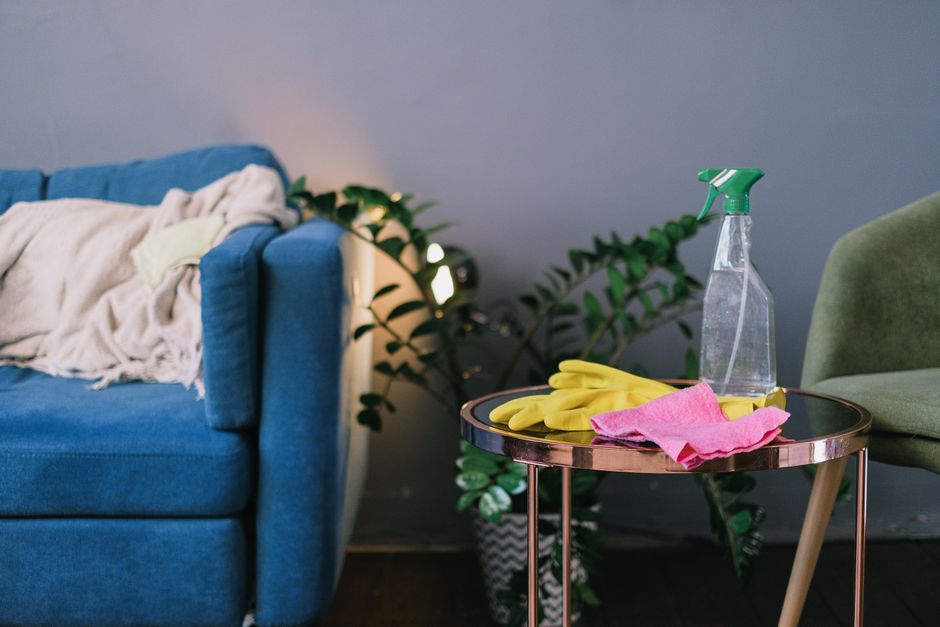
Latex gloves and spray detergent placed on table in stylish living room in daytime

Service Framework

On-Site Service

Cleaning is performed at the client's location, using mobile equipment and appropriate access arrangements.

Fabric-Specific Product Selection

Cleaning agents are chosen based on the fabric type, with reference to care labels and material assessments.

Private Clients

The service is available for household items such as headboards, chairs, and poufs in residential settings.

Commercial Clients

Hotel and commercial properties can schedule cleaning for multiple furniture items as part of regular maintenance.

Examples of Items We Service

This gallery provides illustrative examples of the types of textile items we clean, such as headrests, chairs, and poufs. Images are for demonstration only and do not indicate specific results or quality.
Interior of modern apartment with soft couches and colorful cushions and poufs placed near wall with mirror and decorations in modern apartment with green plants
Interior of contemporary flat with blue couch and pouf placed near table in living room near kitchen zone with decorations on wall
Comfortable armchair with cushion and soft ottoman on carpet near modern dining room with furniture in spacious apartment
Comfortable settee placed near geometric table on carpet and bookcase in spacious apartment designed in creative style

Why Regular Maintenance Matters for Textile Upholstery

In hospitality settings, upholstered headboards and chairs see frequent use, and over time, textile surfaces may accumulate dust, oils, and other residues. How these materials are maintained can influence their appearance and longevity, though outcomes depend on factors such as fabric type, cleaning methods, and usage patterns. Regular maintenance is often considered a key aspect of care routines, as it provides an opportunity to assess condition and address soiling before it becomes more complex. For hotel operators and private clients alike, understanding the characteristics of different textiles and the appropriate cleaning approaches helps set realistic expectations for upkeep.

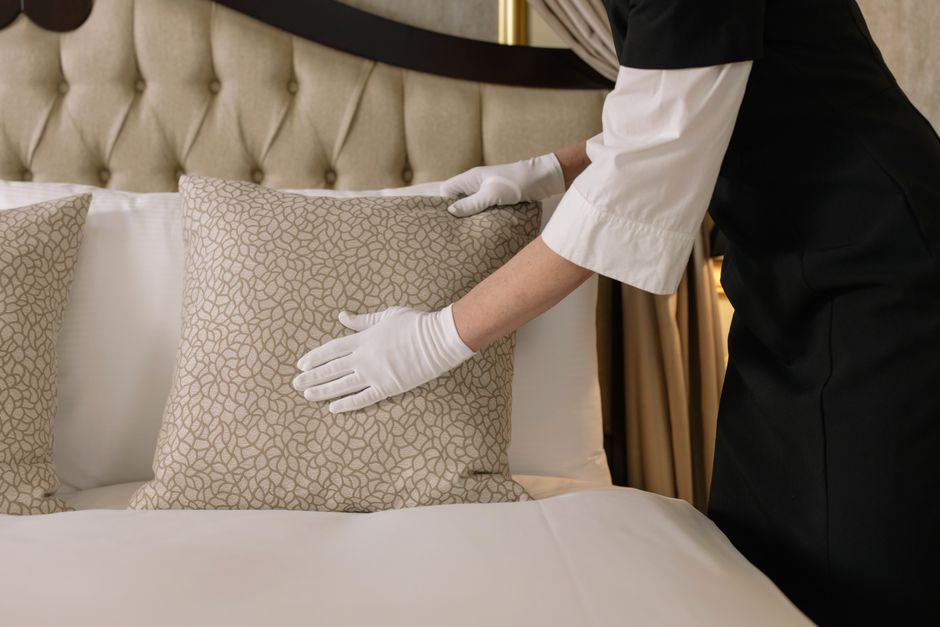
A housekeeper wearing gloves arranges pillows on a luxurious bed in a hotel room.

A Summary of the Approach

Fresh Headrests focuses on the on-site treatment of textile headrests, poufs and chairs, using cleaning methods selected for the specific fabric of each item. Private households and hotel properties are served in the UK, with cleaning carried out at the location rather than off-site. As with any treatment process, individual circumstances and factors unrelated to the service may influence the resulting appearance of the textile items in each setting.

A Factual Recap of Our Approach

Modern hotel room featuring a bed, laptop, and stylish decor with ample lighting.
  • On-Site Cleaning

    Treatment is carried out at the client's location, avoiding the need to transport furniture items.

  • Fabric Assessment

    Each textile is assessed to identify fiber composition and condition before any cleaning method is selected.

  • Suitability for Various Items

    The approach applies to headboards, chairs, and poufs, with methods adjusted to each item's specifics.

  • Method Selection

    Cleaning agents are chosen based on the assessed fabric type and its observed characteristics.

Contact and Inquiry Details

Find Fresh Headrests contact information and use the inquiry form to request details about the service. The form supports information requests only; timing and scope depend on individual circumstances.

Request Information

We use cookies

We use cookies to ensure the proper functioning of the website, analyze traffic, and improve your experience. You can accept all cookies or reject them — the site will continue to operate. For more details, read our Cookie Policy.